Biotech Innovations
Engineered biological systems, and the computational work that has to happen before anything is built.

What we work on
The question this group works on is which parts of a biological design can be settled in a model, and which still have to be settled at a bench.
That covers engineered cell therapies, where the behaviour of a construct can be reasoned about mathematically long before it exists; digital twin approaches, where a model stands in for a system that cannot be observed directly; and the multi-omic and clinical data that tell you whether the model resembled anything real.
Methods
No method is right for every question, and picking the wrong one wastes the study rather than the afternoon. The matrix below is our own published mapping of model families to the kinds of question each can answer.
Ordinary differential equations
Signalling pathways and cell population dynamics, where the mechanism matters more than the pattern, and where a parameter has a meaning you can argue about.
Agent-based models
Spatial interactions between a tumour and an immune system. Behaviour that emerges from many local rules rather than from one equation.
Machine learning
Complex patterns in data too large to read. Strong at prediction, weak at telling you why, which is why it is one method here and not the method.
Bayesian methods
Prediction that carries its own uncertainty, and population parameters estimated from small or uneven data. The method of choice when the honest answer is a range.
Control theory
Feedback systems, and asking what a therapy should do next given what it has done so far.
Sensitivity analysis
Which parameters actually move the result. Run first, because it tells you which of the others are worth the effort.


People in this area

Alessia Soru
Scientific Projects Lead
PhD student in Oncology, Hematology and Pathology at the University of Bologna, and Board Member of Women&Tech® ETS.

Olufemi Olusola
Scientific Projects Lead
Biostatistician working at the intersection of agentic AI, clinical data, and digital twin therapeutics.
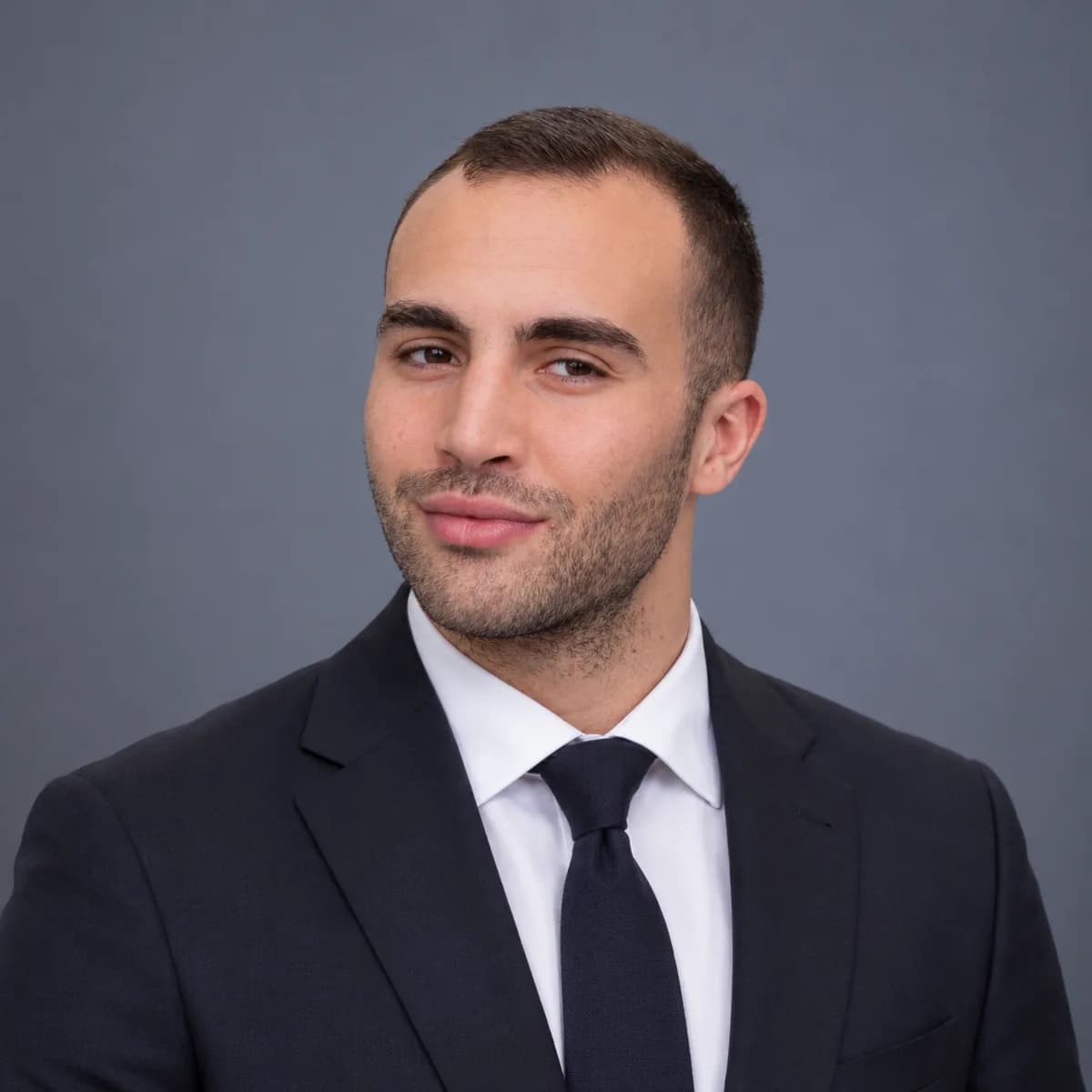
Giovanni Papa
Scientific Projects Lead
PhD candidate in Cancer Biology at the University of Zurich and co-founder of OncoTarget Precision Oncology, working on organoid models and precision oncology.

Roberto Russo
Student Ambassador
High school student, working with the Foundation's operational team.

Daniela Marotto
Advisory BoardRheumatologist
Rheumatologist and leader in Italian health science, recognized for her commitment to multidisciplinary care.
Research and publications →Working on something close to this?
We are looking for collaborators, not customers. If one of the questions above is one you are already working on, write to us.
Start a conversation →